Page under Construction
Safer Cities Initiative
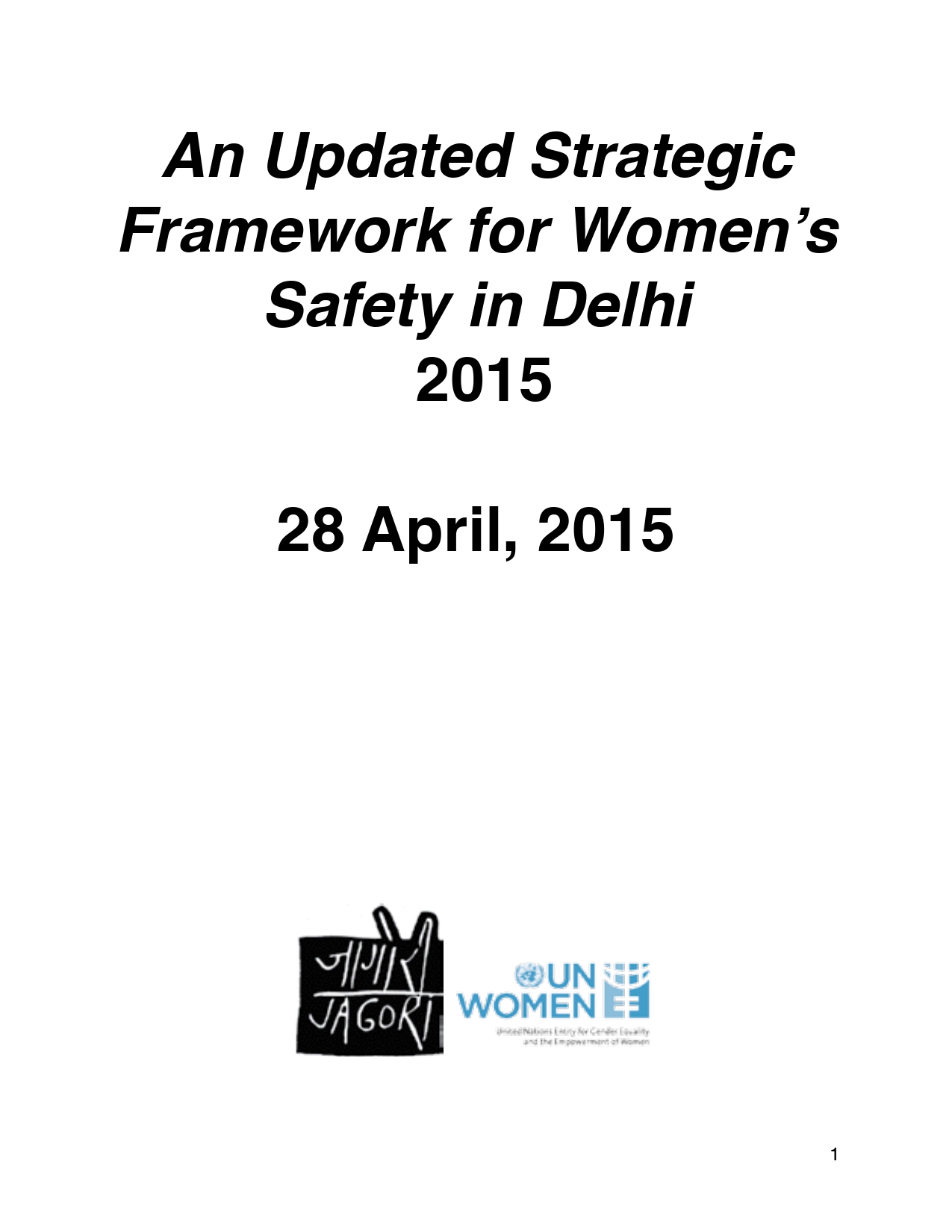
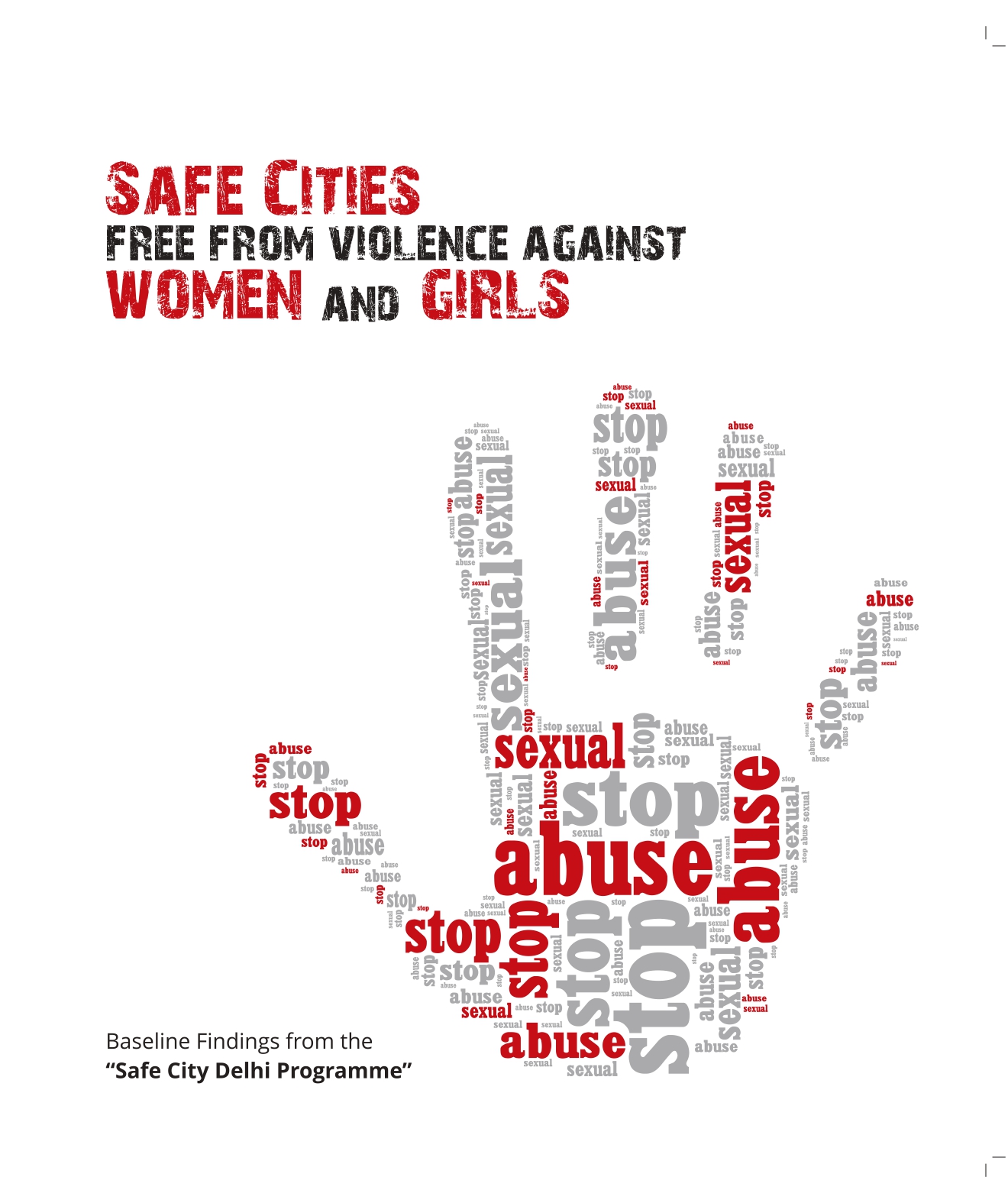
Jagori pioneered the work on “Gender and the cities” through their research and awareness initiatives on women's and girls' safety - Safe Delhi Campaign in 2004. Women’s Safety and their lack of access to essential services, with gender-insensitive built-environments, lack of preparedness at the end of the service providers of transport, education, legal, to respond to the gender and safety needs of women and girls, gaps in program and policies that time to enable a supportive ecosystem for women and girls to access and participate as a citizen, all were crucial verticals of the Jagori Strategic Frameowrk developed in 2010 and revised in 2015.
To learn more on creating public safe gender inclusive safe spaces, read our publications
To learn more on creating public safe gender inclusive safe spaces, read our publications
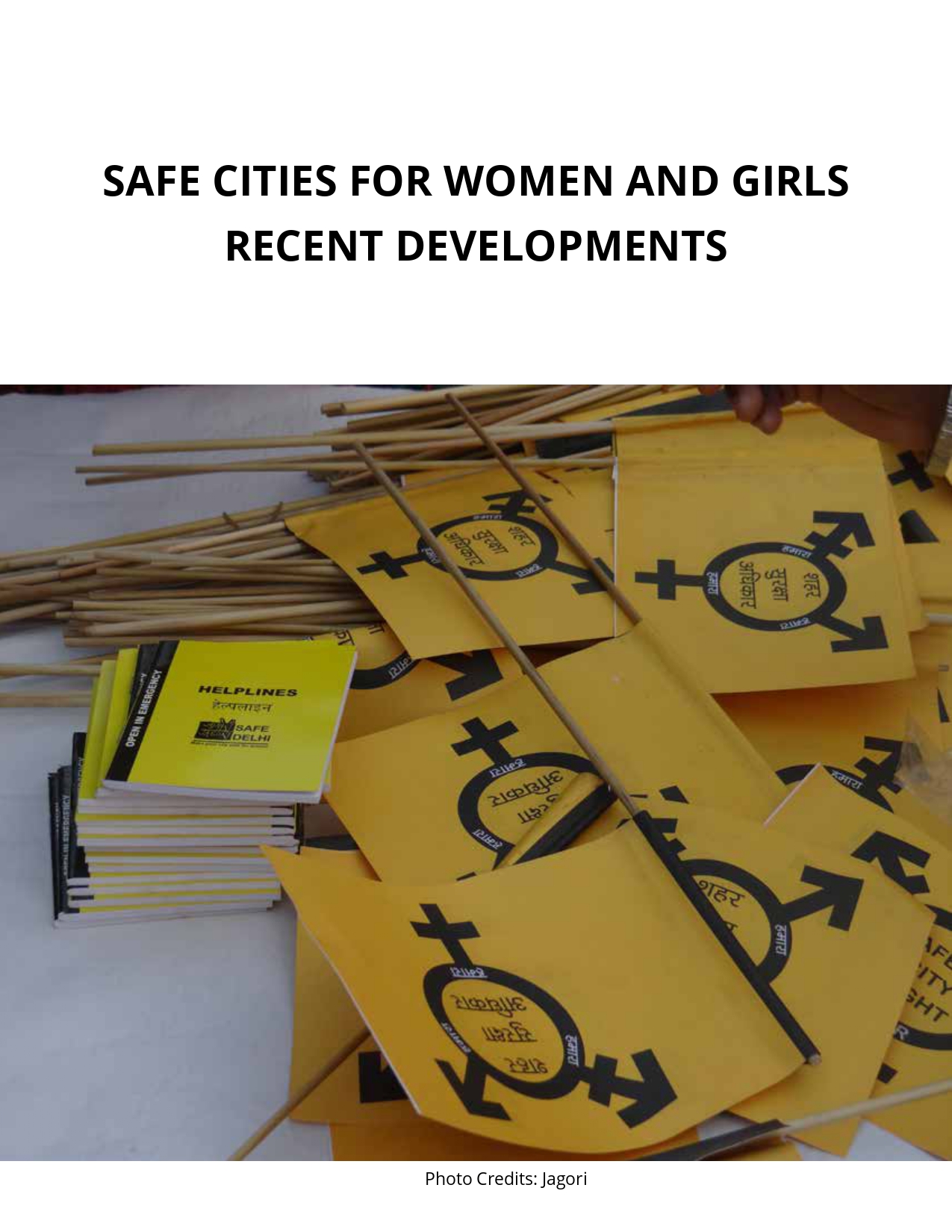
Safe Delhi Campaign
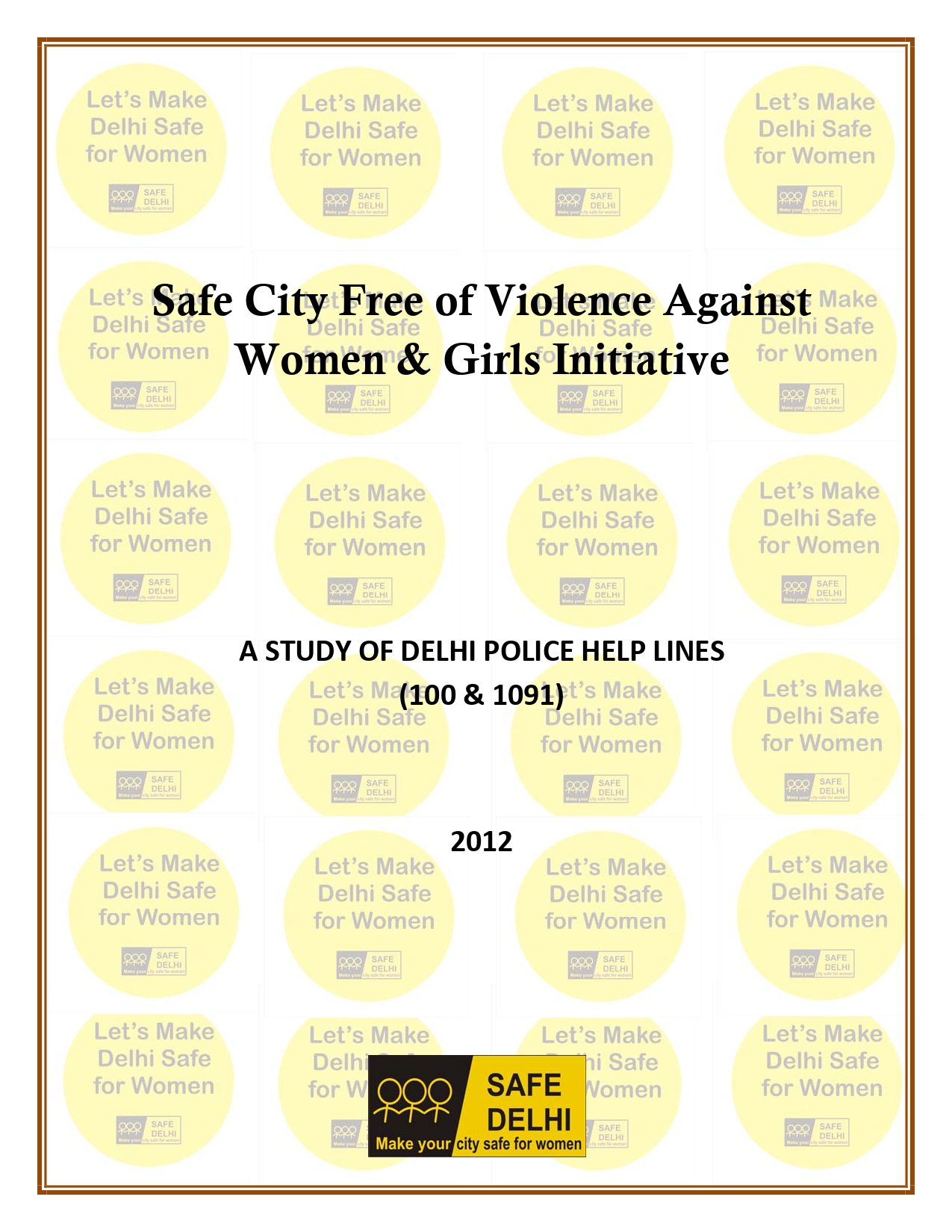
Jagori's work on building a safer Delhi NCR emerges from a fundamental conviction: that safety in public space cannot be separated from the broader conditions of women's lives. For over two decades, Jagori has approached urban safety as inseparable from its work with informal workers, survivors of domestic violence, and residents of Delhi's most underserved settlements. This work has been built through sustained collaboration with Delhi-based civil society organisations, UN bodies including UN Women and UNICEF, and government ministries — recognising that lasting change in how women experience the city requires action across communities, institutions, and governance structures simultaneously. Jagori's safe city work in Delhi encompasses strategic policy advocacy, direct field research, safety auditing, and the documentation of infrastructure gaps — always foregrounding the voices and daily realities of the women most marginalised by the city's failures.
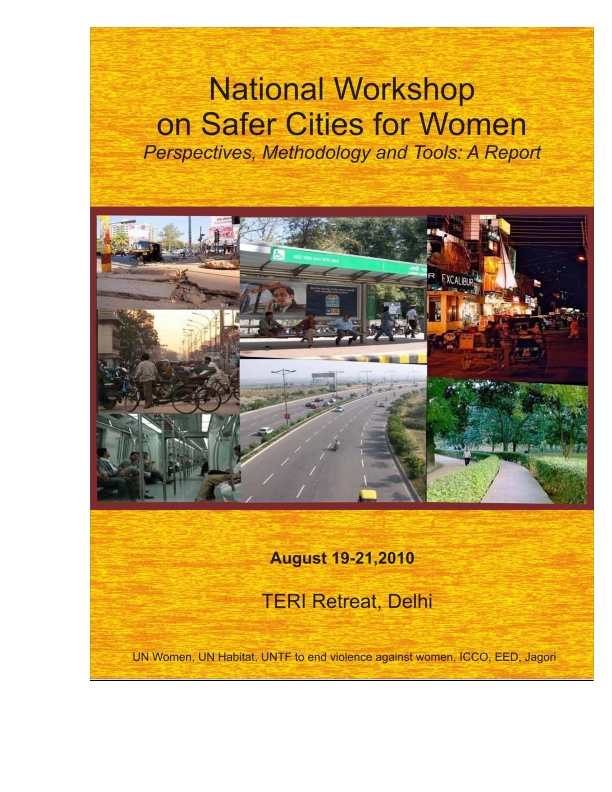
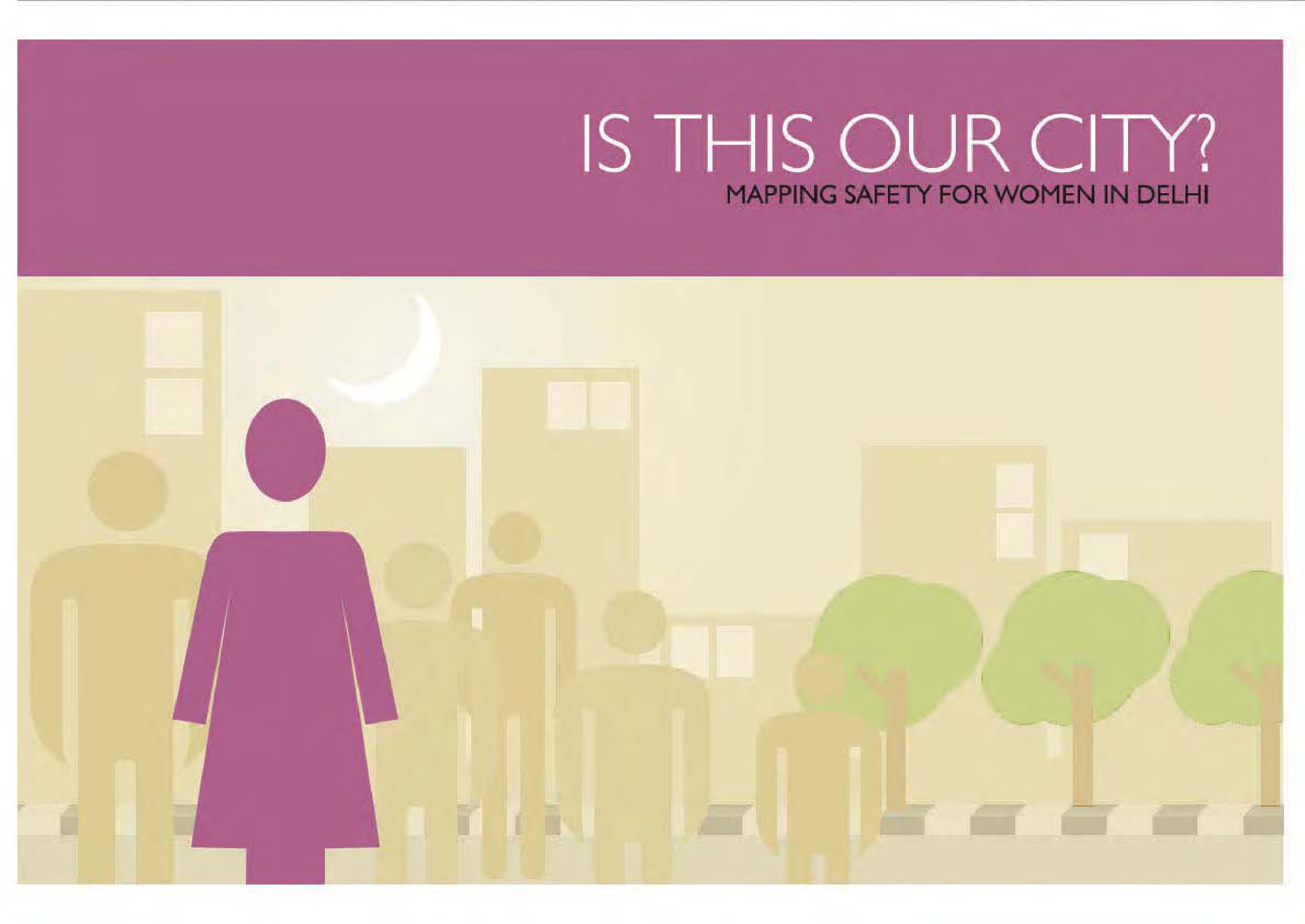
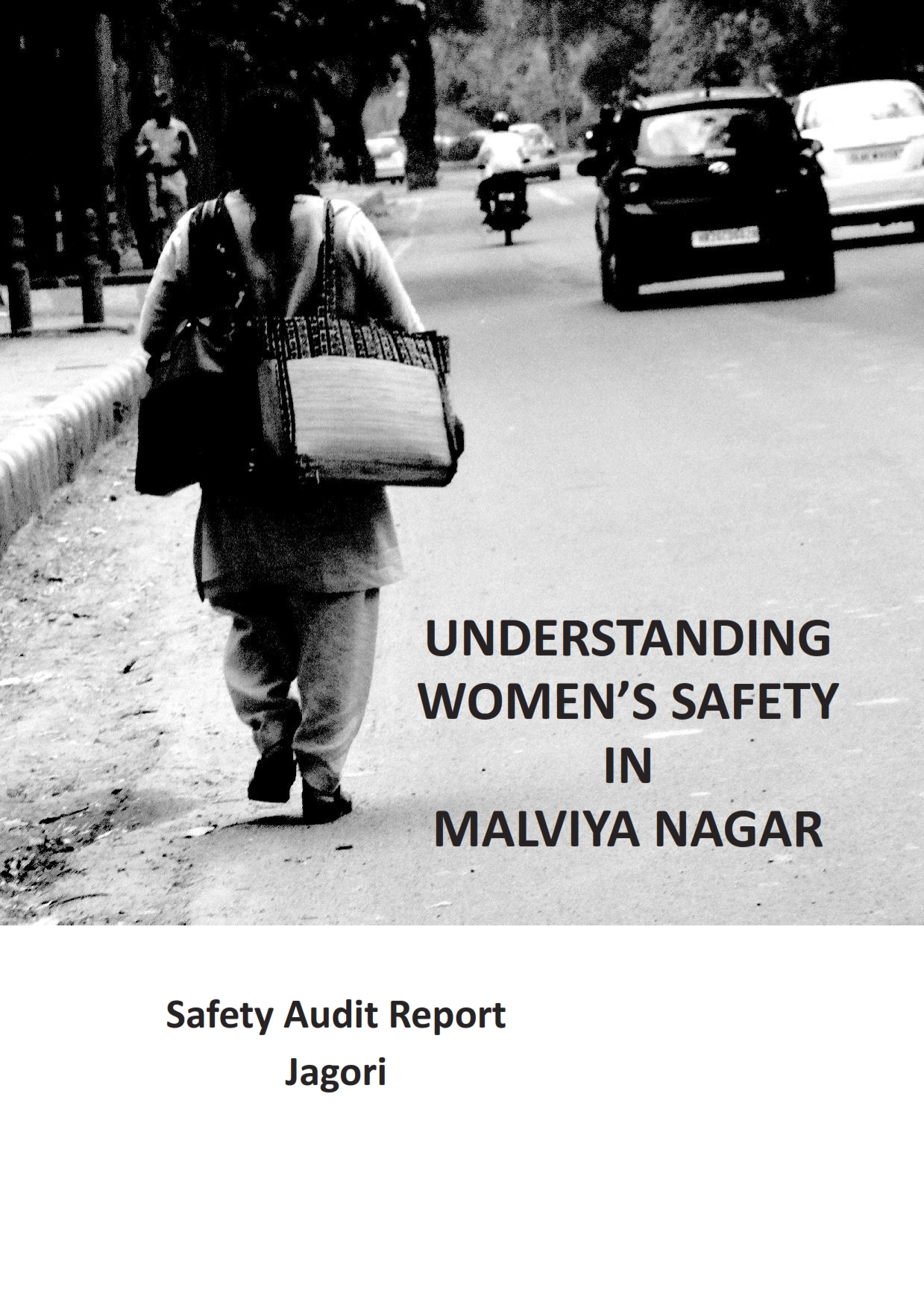
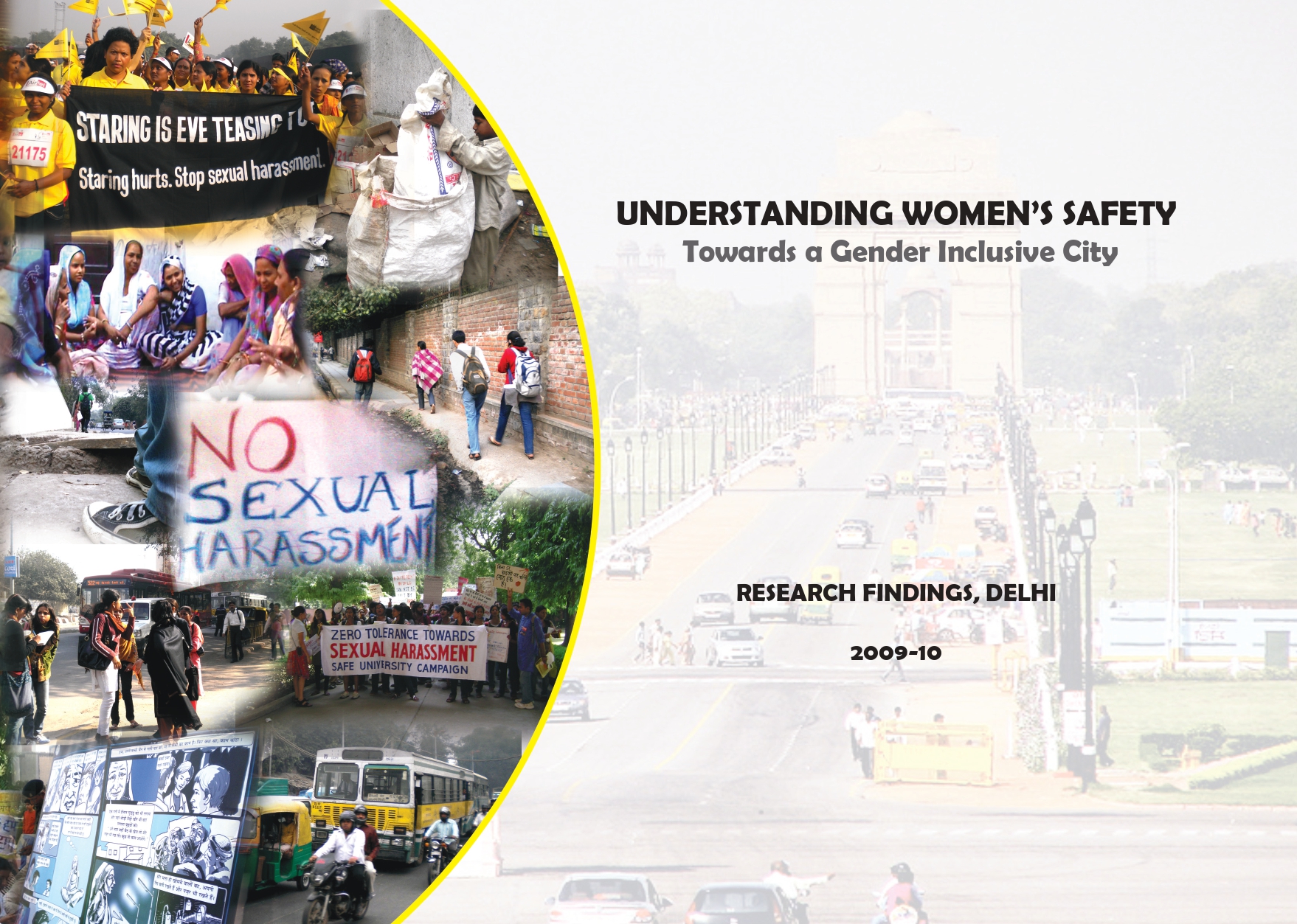
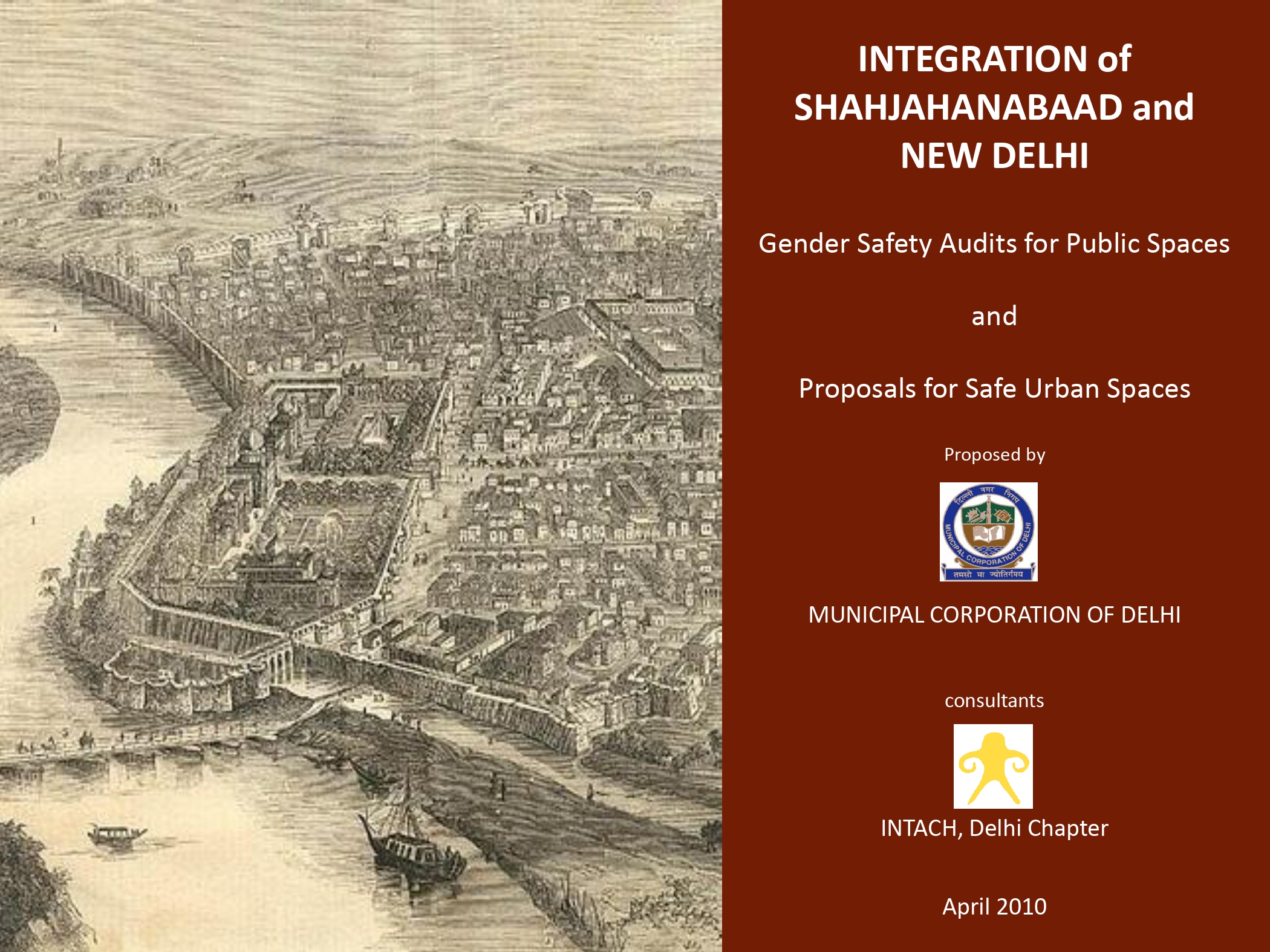
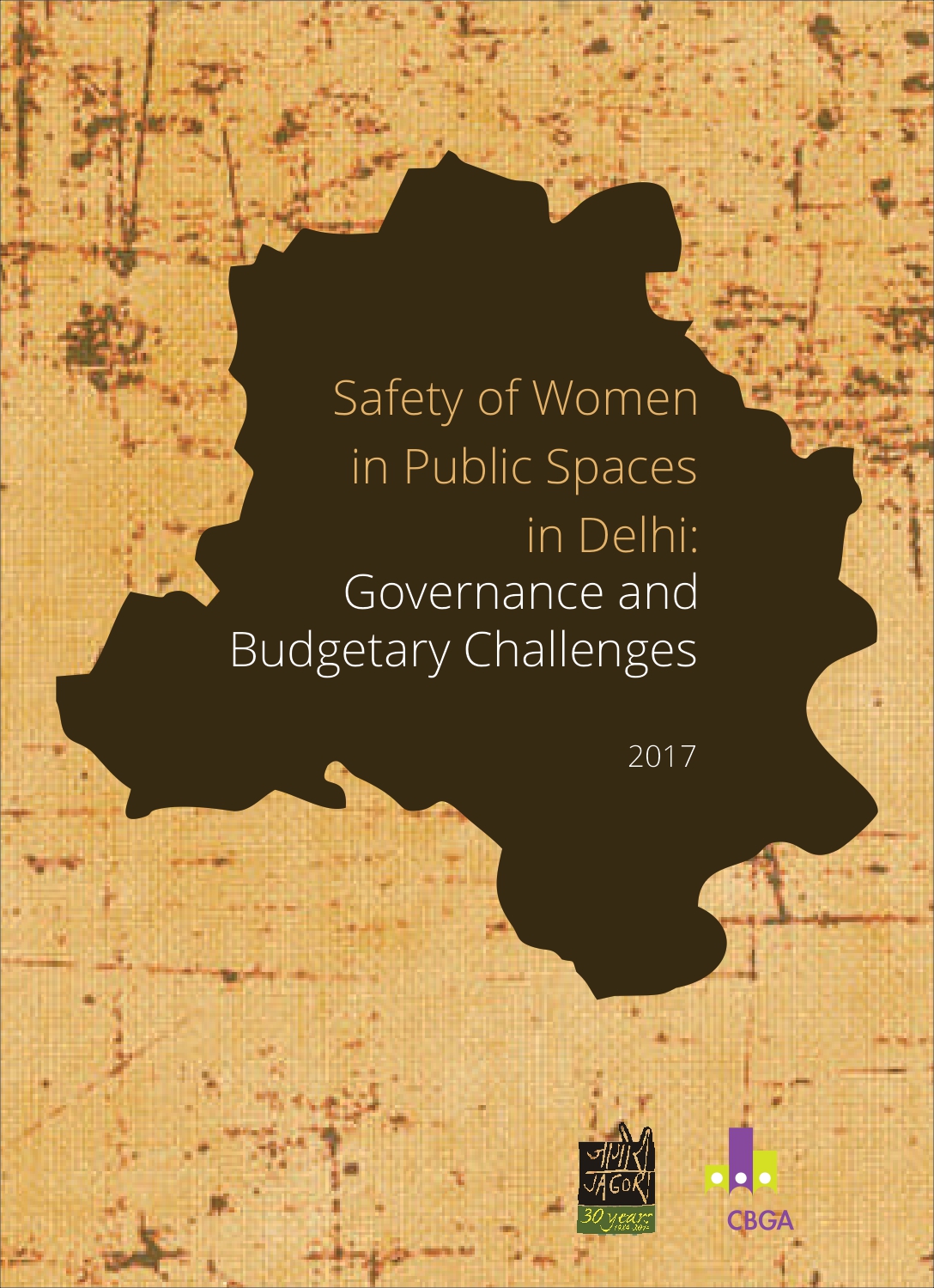
The evidence base Jagori has built on women's safety in Delhi spans more than twenty years and multiple methodologies. The 2010 and 2015 Strategic Framework documents — produced in partnership with UN Women, UN-Habitat, and the Department of Women and Child Development — provided sector-by-sector analyses of urban planning, infrastructure, public transport, policing, legal justice, education, and information technology, each identifying structural challenges and providing concrete recommendations for policy, infrastructure, and cross-sector collaboration. Jagori's 2014 safety audits — conducted both across 60 kilometres of Delhi roads and at six DTC bus terminals — used the Safetipin mobile application to generate granular data on lighting, visibility, walkability, gender diversity, and proximity to public transport, producing publicly accessible evidence of the city's infrastructure gaps. Most recently, the 2023 study on women domestic workers deepened this evidence base by documenting how Delhi's urban infrastructure functions as a site of economic exclusion and physical risk for its most vulnerable workers: 65% of the 270 women surveyed reported feeling unsafe or very unsafe travelling at night; 24% had experienced sexual harassment in the preceding two years; and WDWs earning under Rs 5,000 per month spent on average 20% of their income on commuting — a finding that reveals safety not as a discrete issue but as inseparable from economic survival.
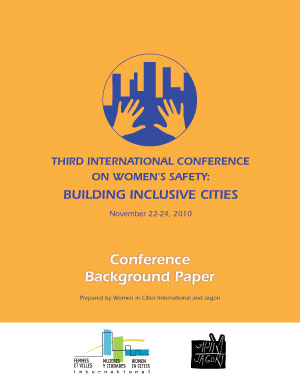
Jagori’s work gained prominence and visibility globally, as they hosted the Third International Conference on Women’s Safety: Building Inclusive Cities 2010 with support of UN HAbitat, UNIFEM(part of UN Women,Huairou Commission , Department for International Development, International Development Research Centre, Government of Canada, Interchurch organization for development cooperation (ICCO), Evangelischer Entwicklungsdienst - EED , UNICEF, Friedrich Ebert Stuftung , CITYNET , AusAID , Red Mujer y Habitat America Latina, Plan International
Read more
The evidence base Jagori has built on women's safety in Delhi spans more than twenty years and multiple methodologies. The 2010 and 2015 Strategic Framework documents — produced in partnership with UN Women, UN-Habitat, and the Department of Women and Child Development — provided sector-by-sector analyses of urban planning, infrastructure, public transport, policing, legal justice, education, and information technology, each identifying structural challenges and providing concrete recommendations for policy, infrastructure, and cross-sector collaboration. Jagori's 2014 safety audits — conducted both across 60 kilometres of Delhi roads and at six DTC bus terminals — used the Safetipin mobile application to generate granular data on lighting, visibility, walkability, gender diversity, and proximity to public transport, producing publicly accessible evidence of the city's infrastructure gaps. Most recently, the 2023 study on women domestic workers deepened this evidence base by documenting how Delhi's urban infrastructure functions as a site of economic exclusion and physical risk for its most vulnerable workers: 65% of the 270 women surveyed reported feeling unsafe or very unsafe travelling at night; 24% had experienced sexual harassment in the preceding two years; and WDWs earning under Rs 5,000 per month spent on average 20% of their income on commuting — a finding that reveals safety not as a discrete issue but as inseparable from economic survival.
Jagori’s work gained prominence and visibility globally, as they hosted the Third International Conference on Women’s Safety: Building Inclusive Cities 2010 with support of UN HAbitat, UNIFEM(part of UN Women,Huairou Commission , Department for International Development, International Development Research Centre, Government of Canada, Interchurch organization for development cooperation (ICCO), Evangelischer Entwicklungsdienst - EED , UNICEF, Friedrich Ebert Stuftung , CITYNET , AusAID , Red Mujer y Habitat America Latina, Plan International
Network on building safer public spaces across India
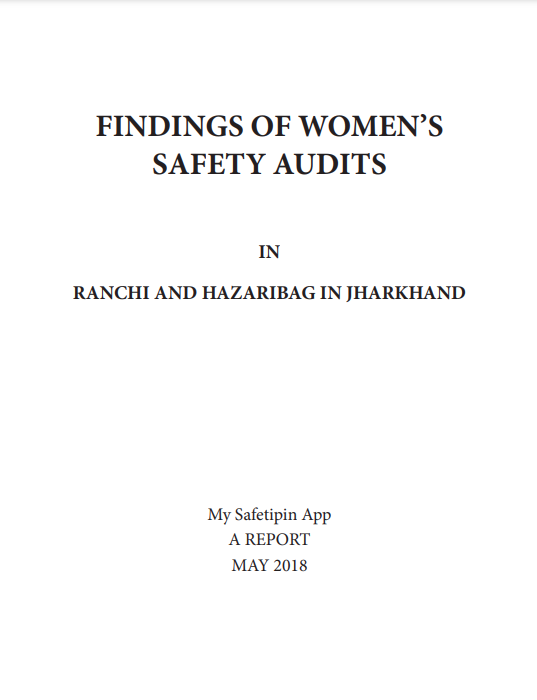
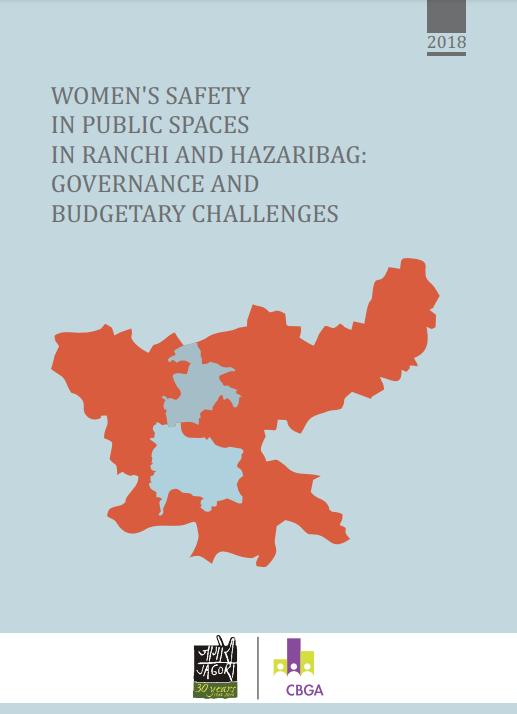
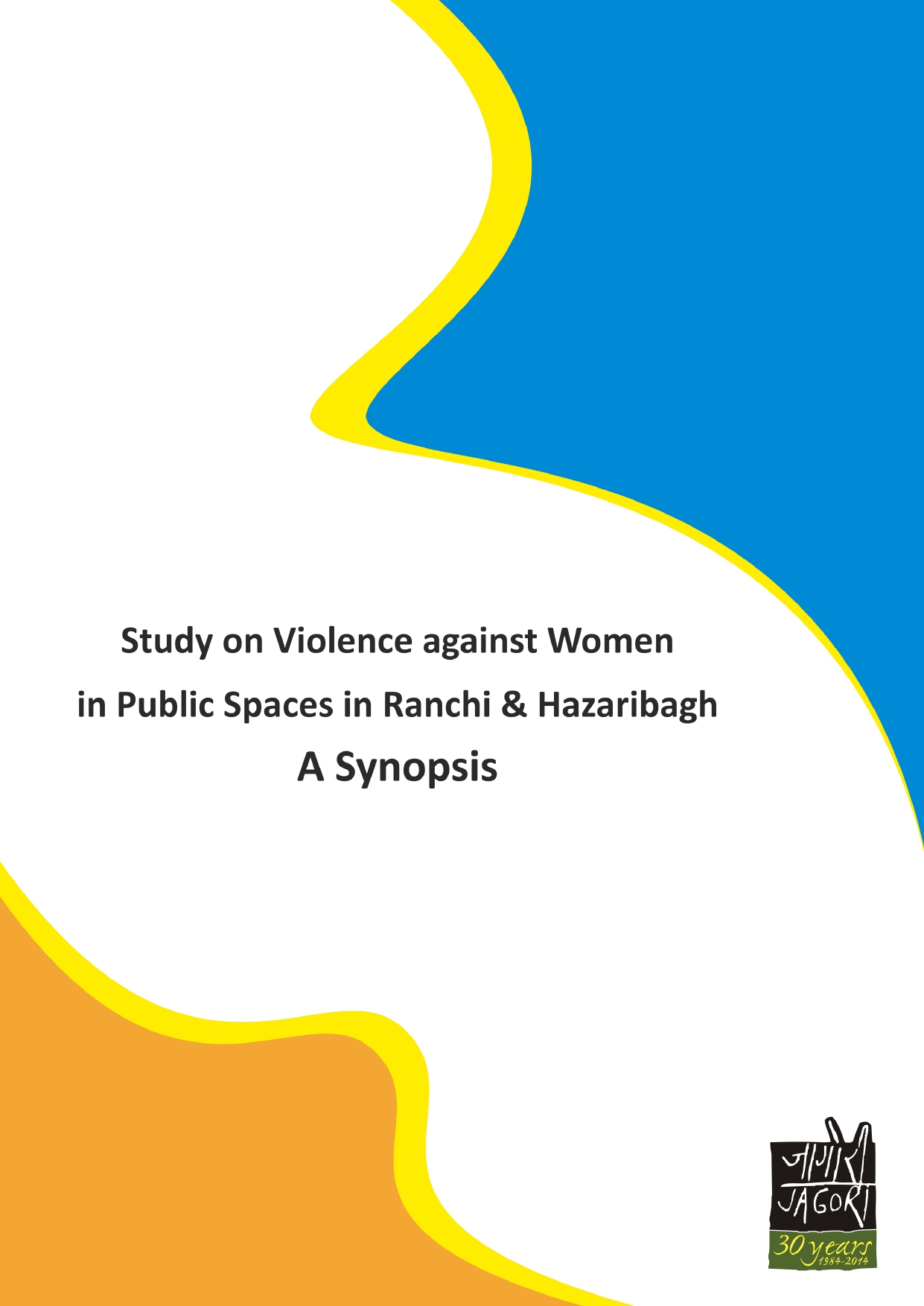
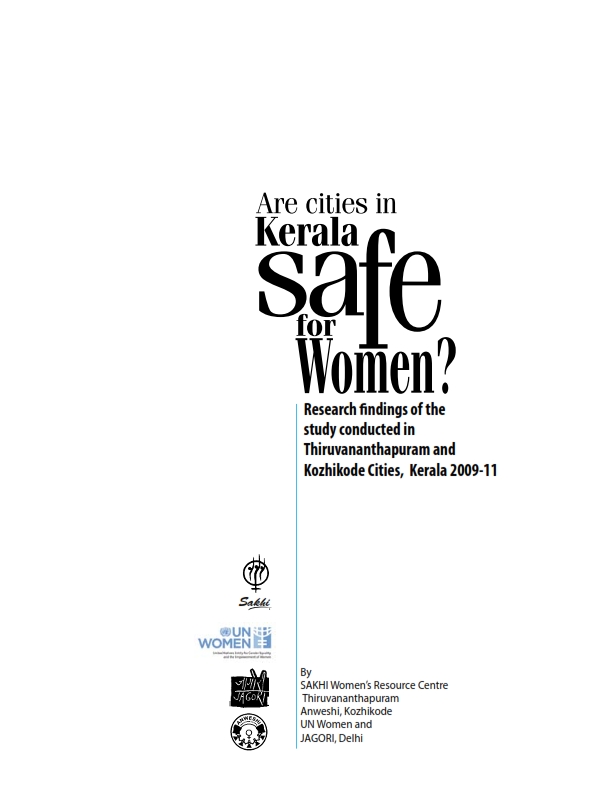
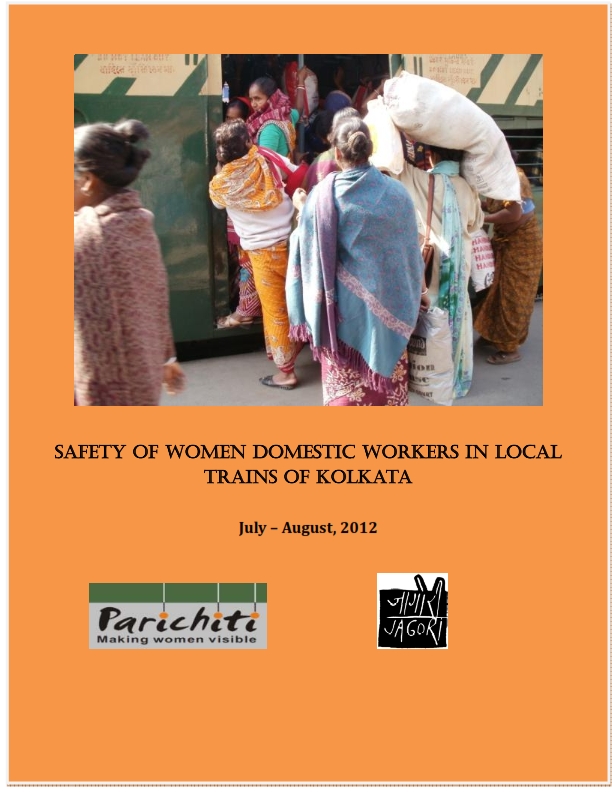
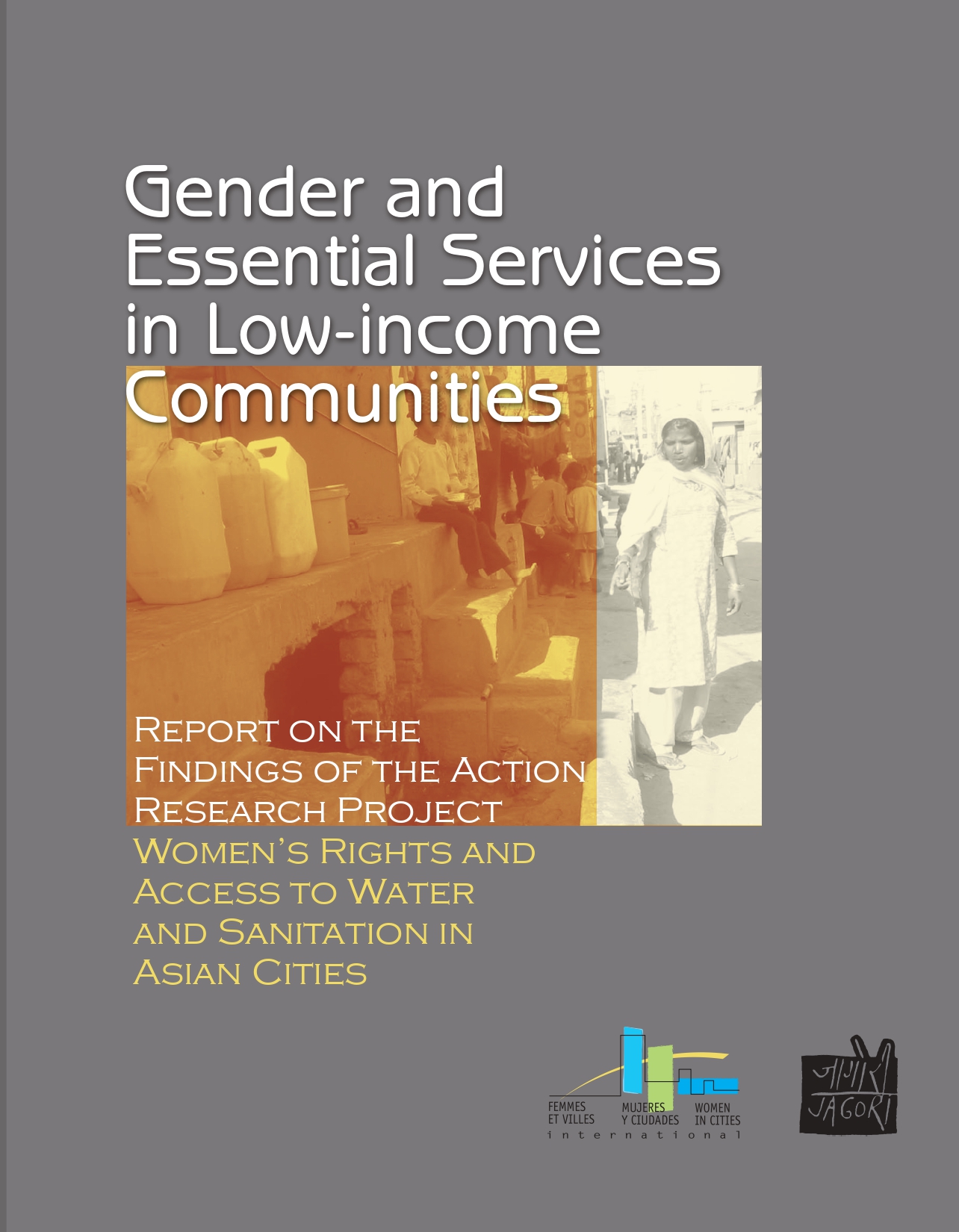
Jagori's commitment to building and strengthening safer public spaces extends well beyond Delhi. Recognising that the challenges of urban and rural safety for women are shaped by local contexts and experiences — by the specific histories of urbanisation, the demographics of informal workers, the capacities of local governance, and the forms of violence most prevalent in a given place — Jagori has conducted research, safety audits, gender audits, gender budgeting analysis, created guidelines for strengthening good governance with urban local bodies and panchayats. This work is consistently participatory: data is gathered with and alongside the women whose lives it documents, using a combination of surveys, focus group discussions, key informant interviews, in-depth interviews, and safety audit walks. Partners have included local women's organisations, civil society bodies, and state government stakeholders.
Across these studies, a consistent set of findings emerges: women's experience of public space is shaped not by a single point of risk but by the cumulative weight of inadequate lighting, absent or unsafe sanitation, inaccessible transport, limited police responsiveness, gaps in essential service provisions, unaccountability of local stakeholders and the social stigma that surrounds the reporting of harassment.
Read more
Across these studies, a consistent set of findings emerges: women's experience of public space is shaped not by a single point of risk but by the cumulative weight of inadequate lighting, absent or unsafe sanitation, inaccessible transport, limited police responsiveness, gaps in essential service provisions, unaccountability of local stakeholders and the social stigma that surrounds the reporting of harassment.
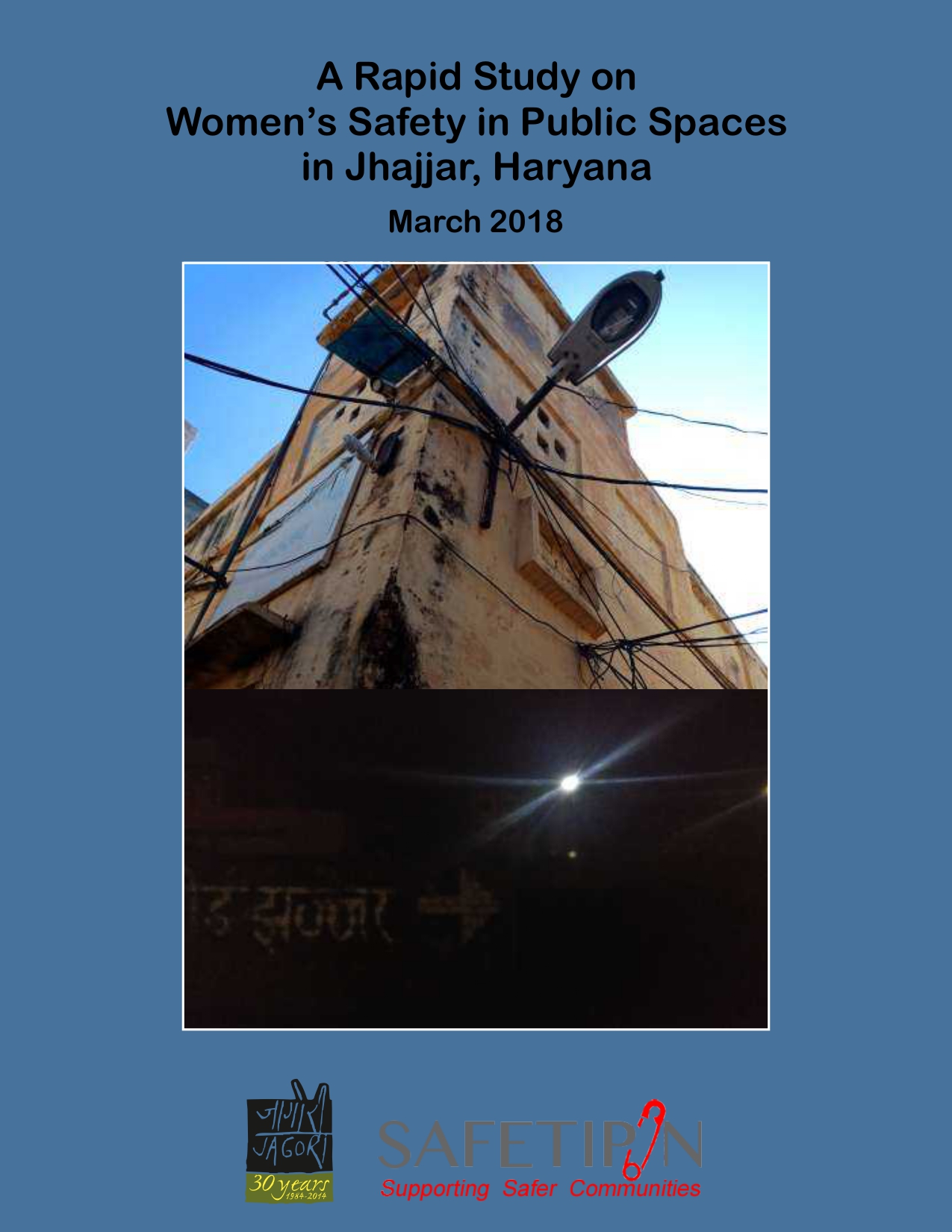
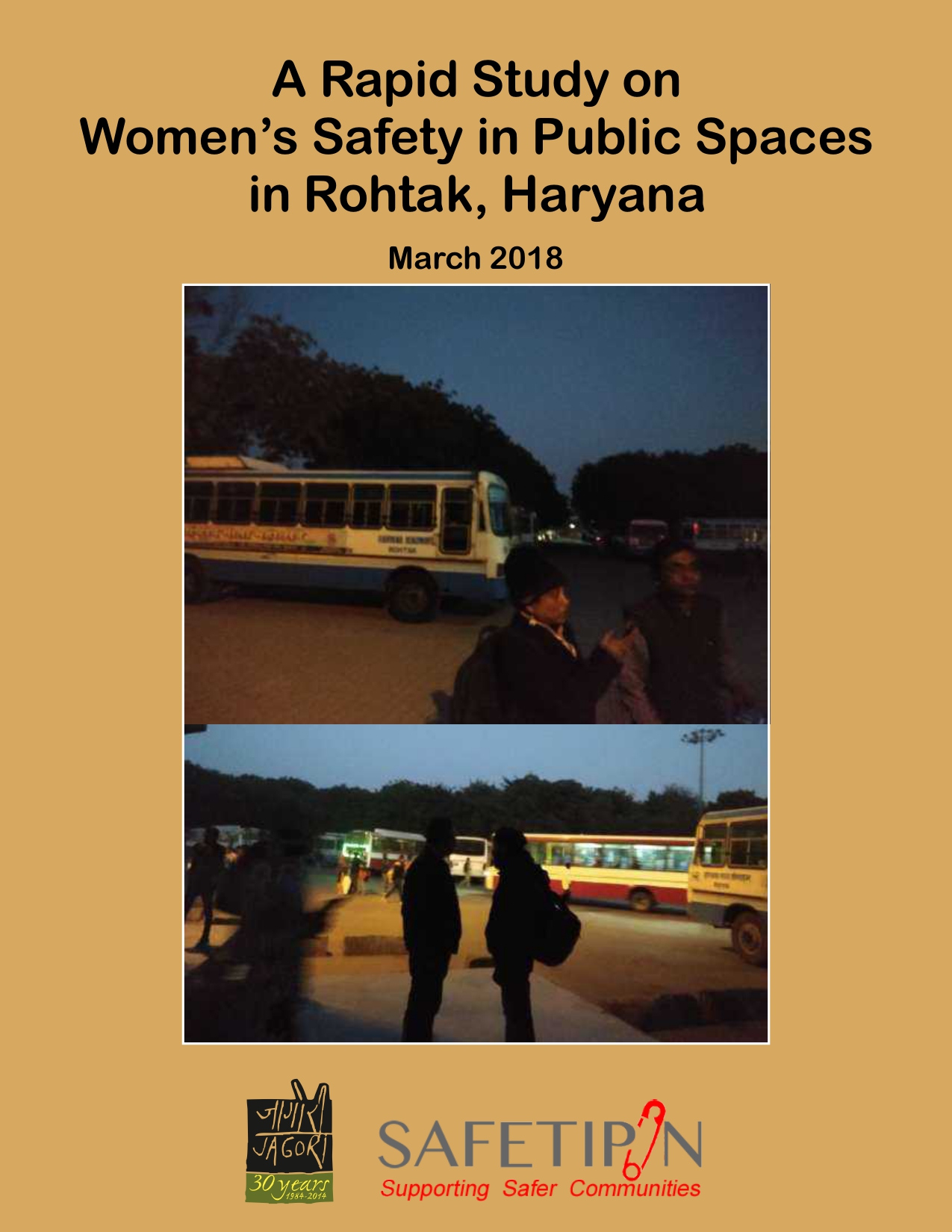
Resources created
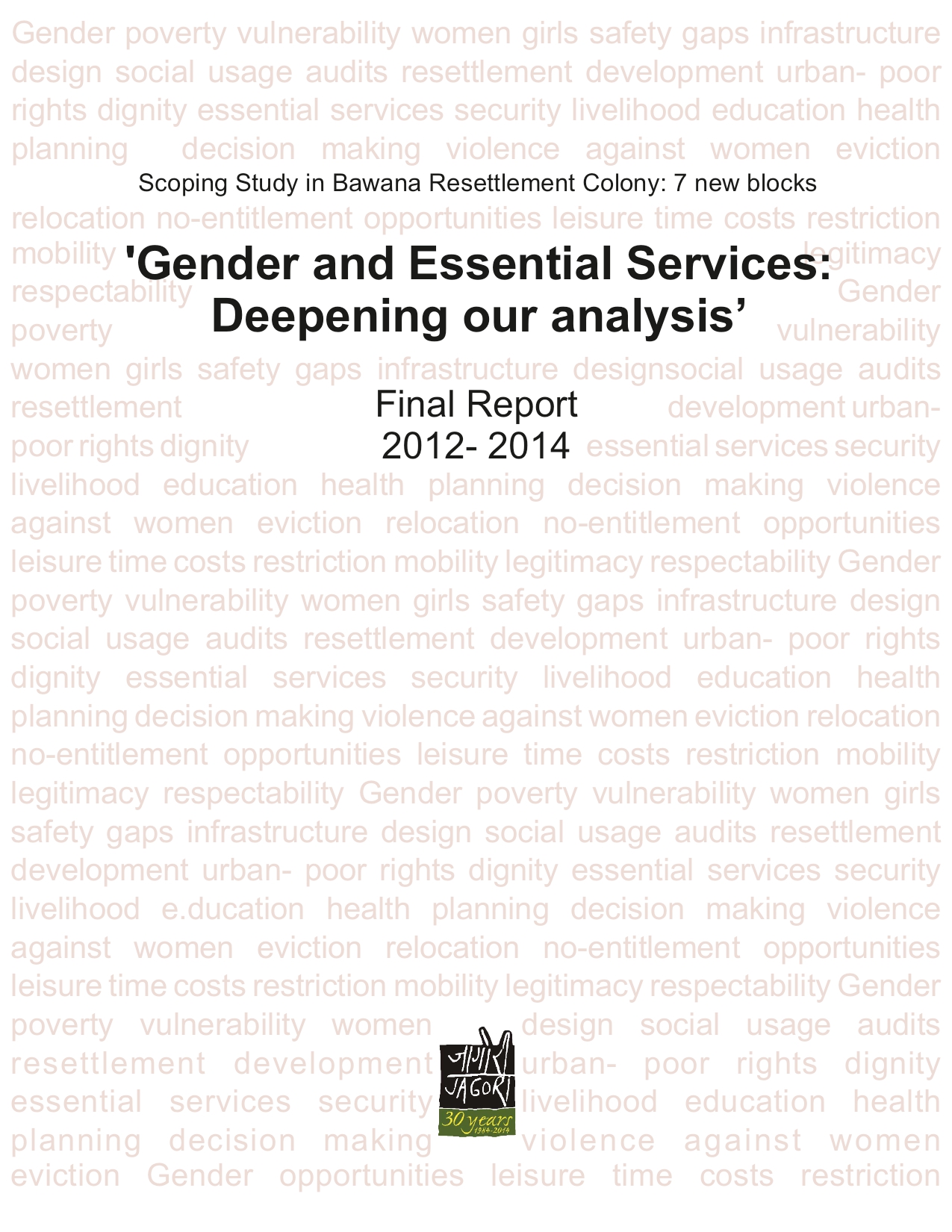
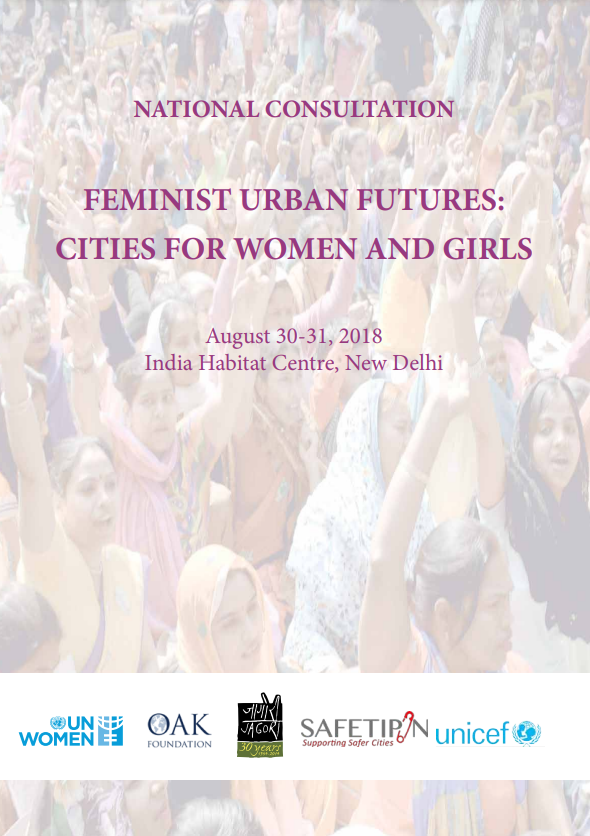
Jagori's toolkit work reflects a core conviction that sustained change in cities requires not only evidence of the problem but practical resources for those working to address it — across government, civil society, academia, urban planning, and community organising. Over more than a decade, Jagori has developed and disseminated tools, manuals, and frameworks designed to be used by diverse actors: urban planners and architects, local government officials, NGO staff, shelter managers, police, donors, and community groups. These resources translate the knowledge generated through Jagori's field research into accessible, actionable guidance for building cities that are genuinely safe and inclusive for women and girls. Alongside these publications, Jagori has convened spaces for collective reflection and strategy — most notably the 2018 National Consultation on Feminist Urban Futures, co-organised with Safetipin, Oak Foundation, UN Women, and UNICEF, which brought together Dalit activists, single women, sex workers, young girls, sexual minorities, Indigenous women's rights advocates, and urban planning practitioners to collectively articulate a vision for gender-responsive cities in India.
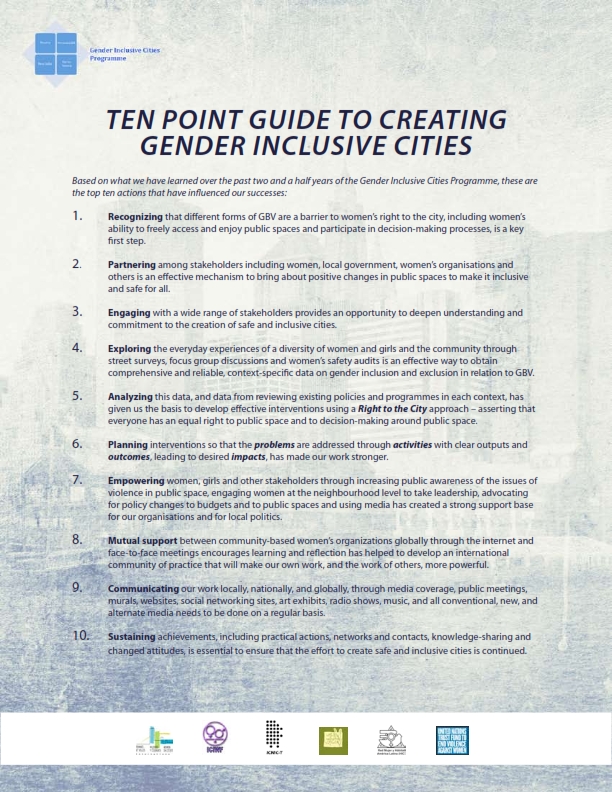
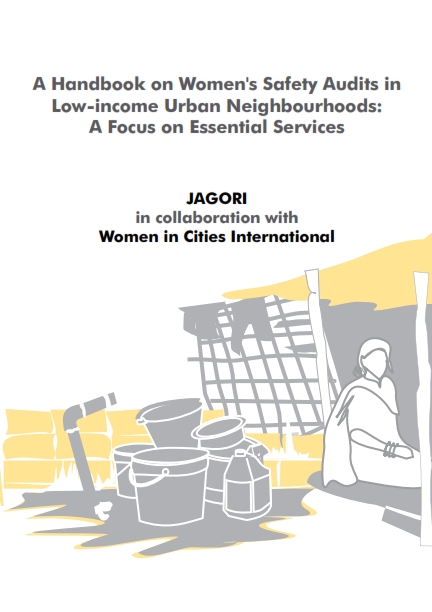
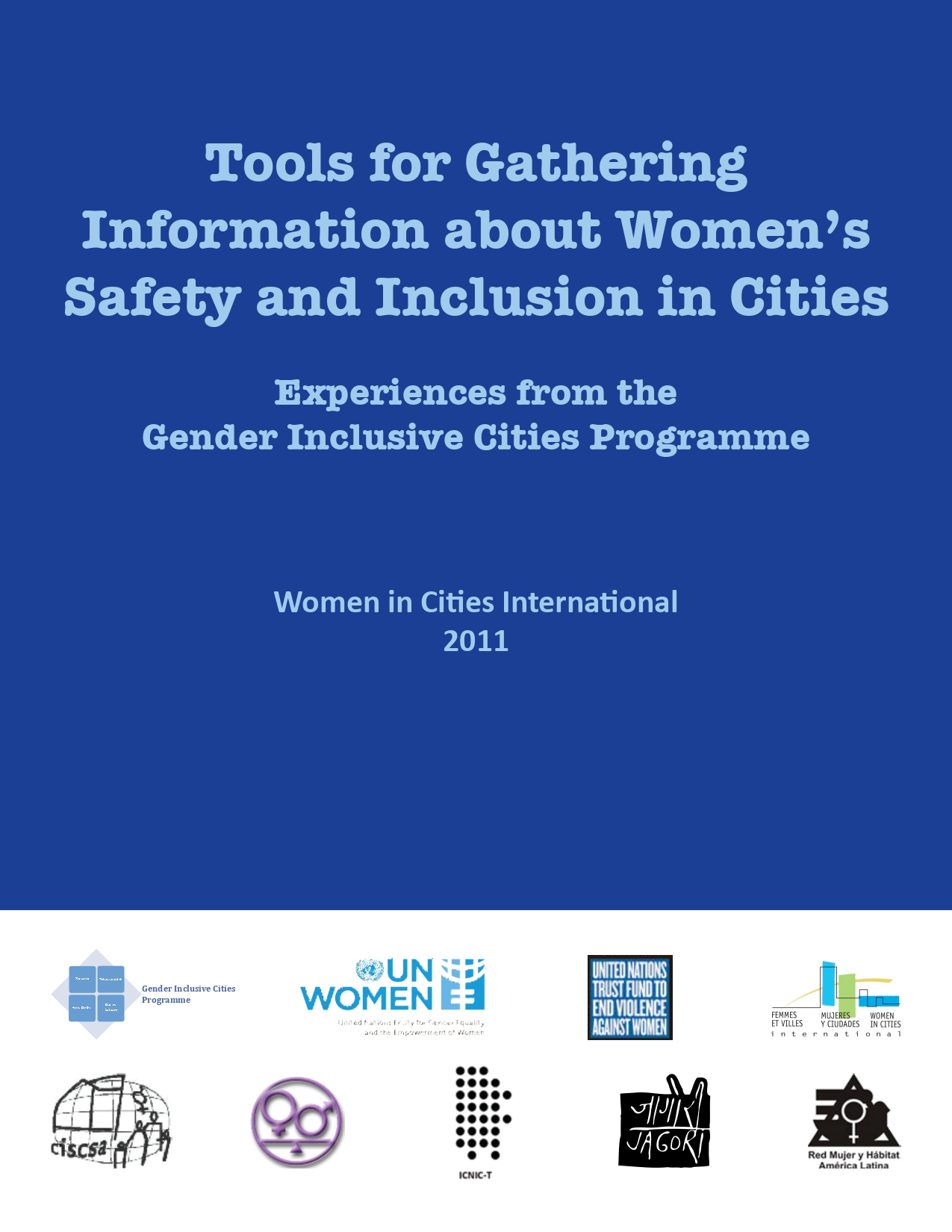
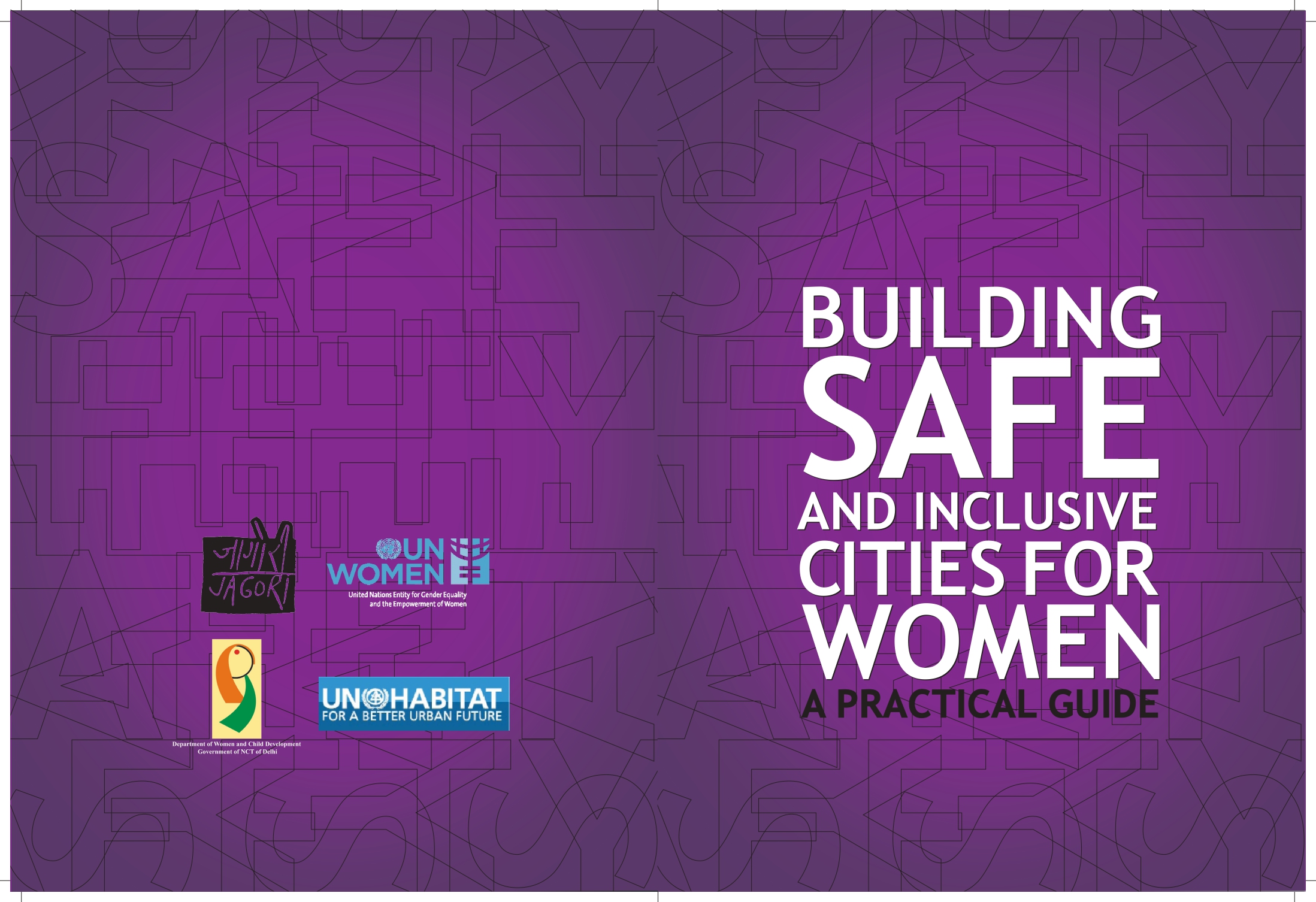
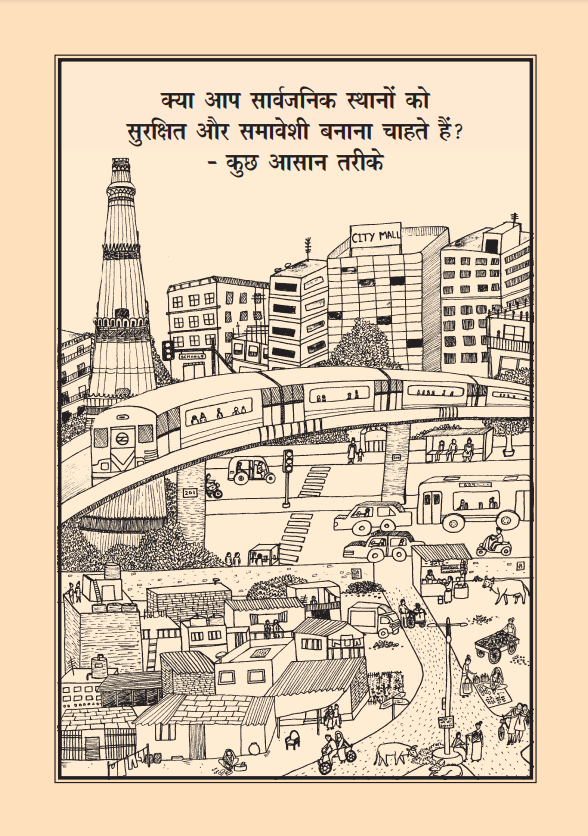
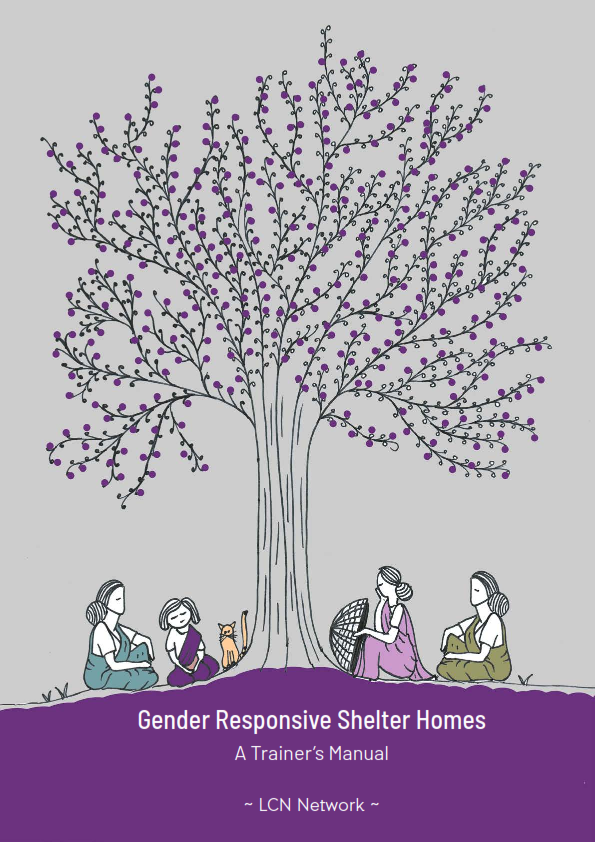
The toolkit publications address distinct but interconnected dimensions of safe city work. The 2011 practical guide, Building Safe and Inclusive Cities for Women, provides a broad introduction to safe cities work for organisations and individuals beginning this journey — combining scholarly knowledge with the insights generated from Jagori's own six years of on-the-ground practice, and addressing both policy-level considerations and the operational realities of safe city programming. The companion toolkit, Tools for Gathering Information about Women's Safety and Inclusion in Cities (2011), offers structured methodological guidance on focus group discussions, street surveys, women's safety audits, policy listings, and policy reviews — equipping governments, planners, civil society organisations, police, and academics with the instruments needed to generate their own evidence base. The 2022 Gender Responsive Shelter Homes Trainer's Manual, developed in response to gaps identified through Jagori's research on survivors of gender-based violence, provides a comprehensive capacity-building resource for shelter management staff and partner institutions, accompanied by a participant workbook, a booklet on survivors' rights, informational posters on the Domestic Violence Act, and a resource on gender identity and sexual orientation.
Read more
The toolkit publications address distinct but interconnected dimensions of safe city work. The 2011 practical guide, Building Safe and Inclusive Cities for Women, provides a broad introduction to safe cities work for organisations and individuals beginning this journey — combining scholarly knowledge with the insights generated from Jagori's own six years of on-the-ground practice, and addressing both policy-level considerations and the operational realities of safe city programming. The companion toolkit, Tools for Gathering Information about Women's Safety and Inclusion in Cities (2011), offers structured methodological guidance on focus group discussions, street surveys, women's safety audits, policy listings, and policy reviews — equipping governments, planners, civil society organisations, police, and academics with the instruments needed to generate their own evidence base. The 2022 Gender Responsive Shelter Homes Trainer's Manual, developed in response to gaps identified through Jagori's research on survivors of gender-based violence, provides a comprehensive capacity-building resource for shelter management staff and partner institutions, accompanied by a participant workbook, a booklet on survivors' rights, informational posters on the Domestic Violence Act, and a resource on gender identity and sexual orientation.