About Us
HISTORY
Jagori (meaning 'Awaken, Women!') was established in 1984, to spread feminist consciousness to a wider audience using creative media. It started out as a collective and the basic commitment to issues was very clear at the outset. The challenge was to bring a gender perspective and analysis to people and communities, and to find creative ways to reach women, girls, and people with gender identities beyond the binary, especially those who were most marginalised.
This challenge was addressed creatively through feminist songs, poetry, stories, art, and street theatre, which remain an integral part of JAGORI’s work. It was also addressed through feminist trainings, where women learned together using participatory methods that reflected their own ways of learning.
From pioneering feminist training methods and creating resources for neo-literate women to developing evidence-based strategies through diverse gender programmes and the Safer Cities and public spaces initiatives, Jagori has evolved holistically over the decades.
Over 40 years, JAGORI, along with other organisations, has fore-fronted women’s rights and gender equality perspectives within broader development debates and played a critical role in raising awareness of issues and laws related to dowry, domestic violence, sexual assault and rape, sexual harassment in the workplace, the identity and rights of single women, the safety of women and girls in public spaces, and the rights of domestic workers.
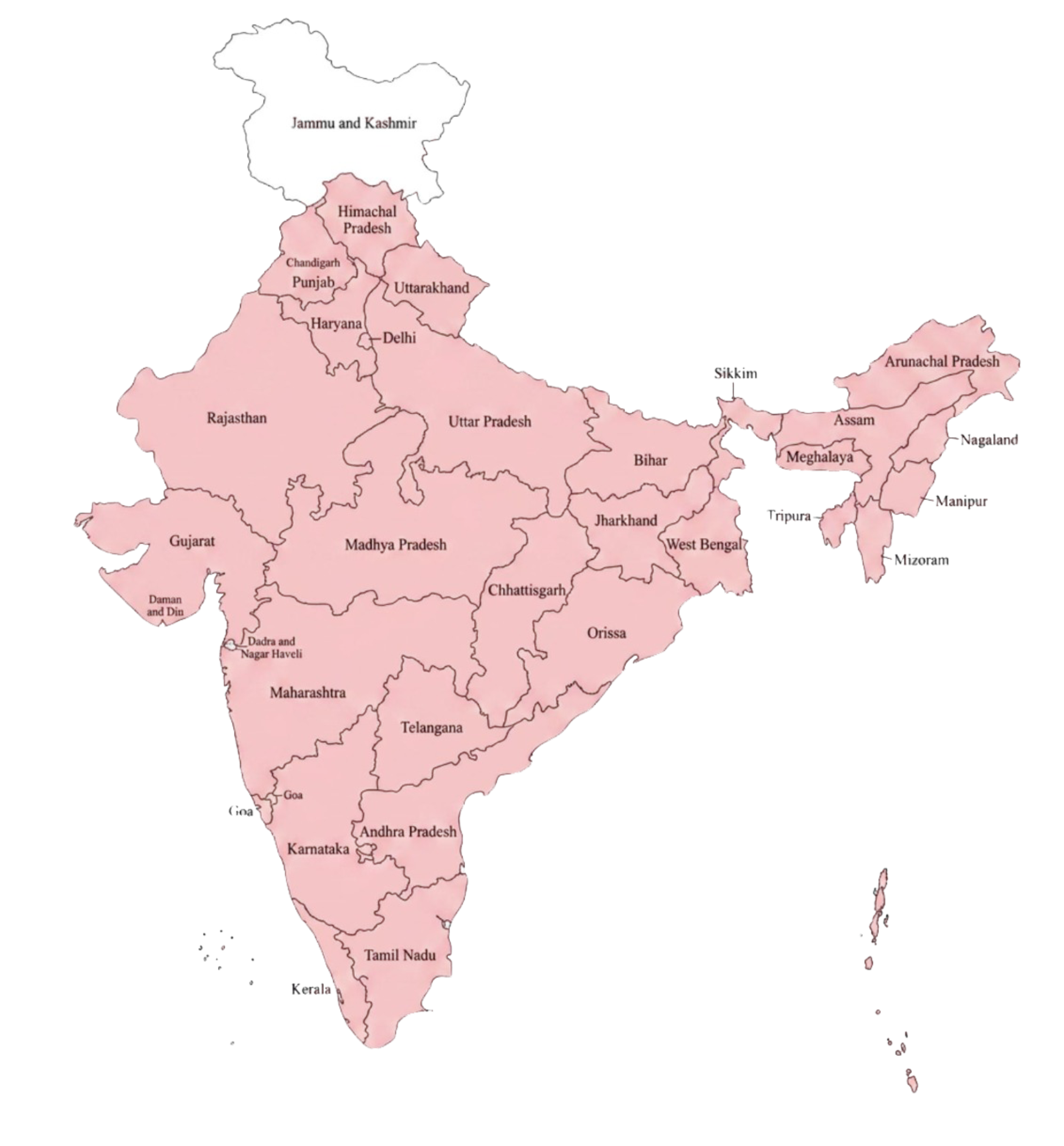
Jagori has established a presence nationally in the states of Bihar, Himachal Pradesh, Punjab, Uttarakhand, Haryana, Delhi, Chandigarh, Gujarat, Chhattisgarh, Maharashtra, West Bengal, Jharkhand, Madhya Pradesh, Orissa, Rajasthan, Uttar Pradesh to name a few.
-
Founders
-
Executive Committee
-
General Body
The Nari Shakti Puraskar
On International Women’s Day, 8 March 2016, Jagori was honoured with the Nari Shakti Puraskar by the Ministry of Women and Child Development, Government of India, for its outstanding work towards the welfare and well-being of women. Jagori was among 6 organisations and 15 individuals recognised with this prestigious award. The award was presented by the Hon’ble President of India, Mr. Pranab Mukherjee.
The Roland Berger Human Dignity Award
This award was conferred by the President of the Bundestag, Dr. Norbert Lammert, to the Indian women’s rights organisation “Jagori”; the Pakistani lawyer and women’s rights activist Dr. Asma Jahangir; and the “Afghan Women’s Network”.
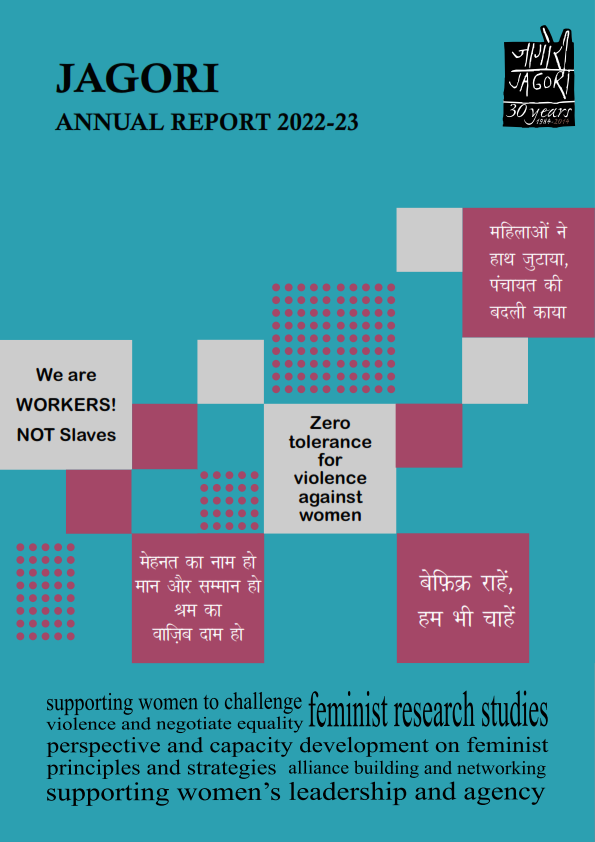
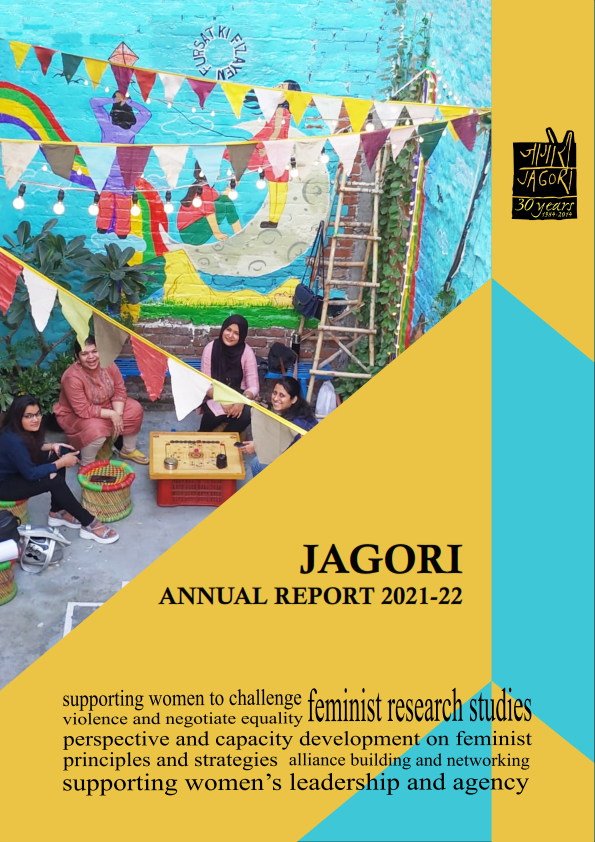
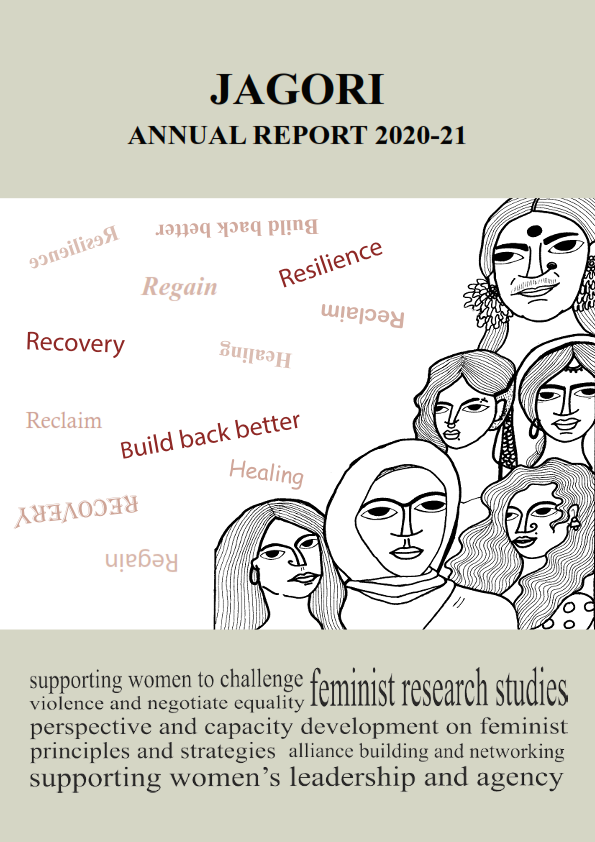
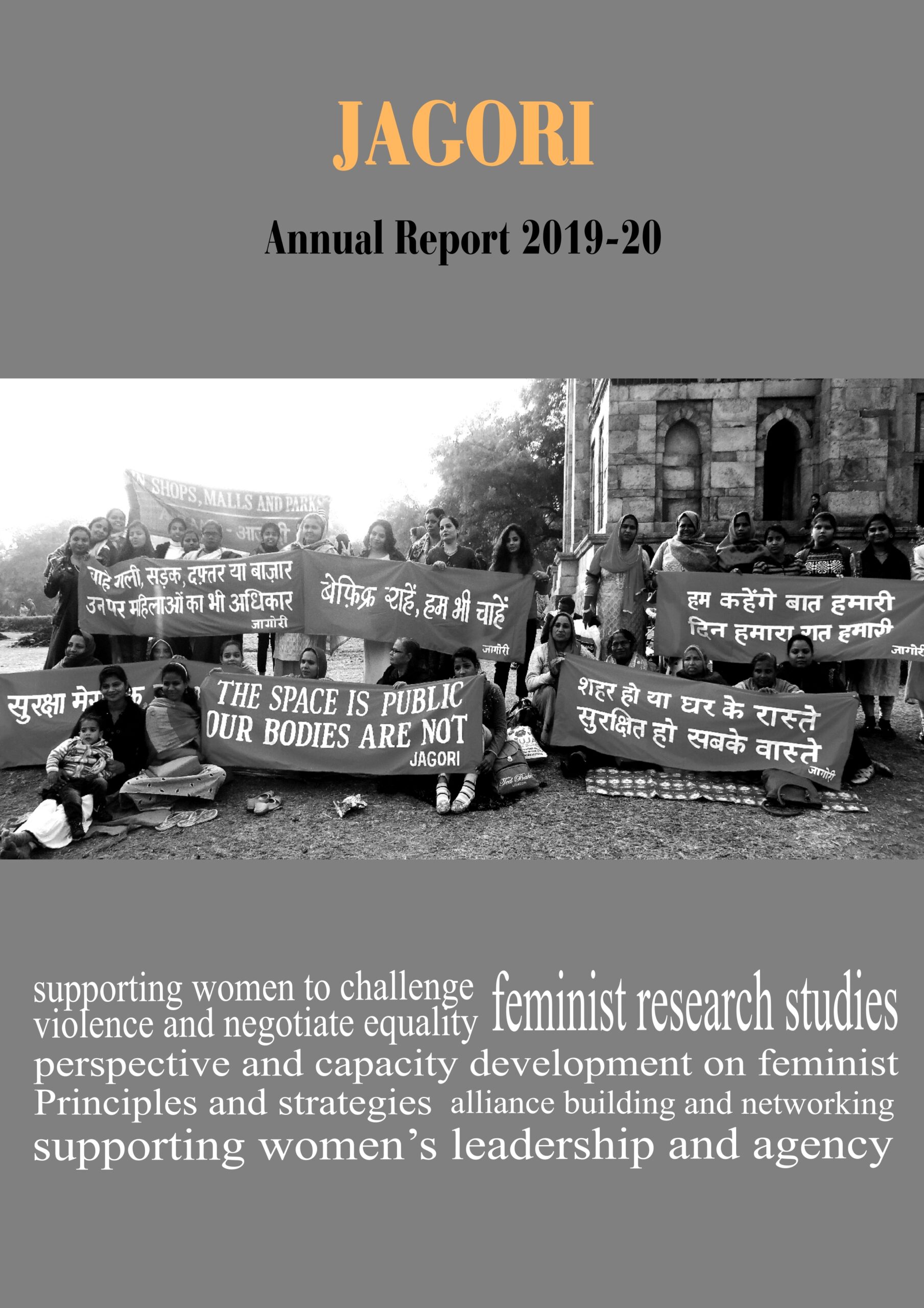
ANNUAL REPORTS
financial statements
FCRA REPORTING
|
2021-2022
|
|
2020-2021
|
|
2019-2020
|
|
2018-2019
|
|
2017-2018
|
|
2016-2017
|
|
2015-2016
|